
Step by Step: Why People With Diabetes Benefit From Regular Walks
You do not need a gym or a strict programme. A pair of comfortable shoes and a little time each day can go a long way.
Get More Info
A Walk Is More Powerful Than It Looks
Most people think of walking as something you do to get from A to B. But for the body, it is much more than that. Movement activates your muscles, and muscles are among the biggest consumers of blood glucose — they absorb it and use it as fuel while you are active.
The timing of a walk matters as well. Going out shortly after a meal, when blood sugar tends to be at its highest, can help the body process that rise more smoothly. This is one of the simplest and most accessible habits anyone can build.
This page provides general educational information. Please speak with your doctor before starting any new activity routine.
Common Myths — and What Is Actually True
There is a lot of confusing information out there about exercise and blood sugar. Here are some widely held misconceptions, alongside what we actually know.
What Happens in Your Body When You Walk Regularly
Blood Sugar Drops Naturally
Working muscles absorb glucose from the bloodstream as they move, which gently lowers blood sugar without any extra intervention.
Insulin Works More Efficiently
Physical activity gradually improves the body's sensitivity to insulin, meaning the same amount can do more work as the habit builds.
Circulation Improves
Regular walking supports healthy blood vessels and steadier blood pressure, reducing long-term strain on the heart and circulation.
Weight Stays in a Healthier Range
Consistent movement burns energy and supports a healthy body weight, which is closely linked to how well blood sugar is managed over time.
Long-Term Markers Improve
People who walk regularly often see gradual improvements in their overall blood sugar control that show up in routine health checks over months.
Practical Things Worth Knowing Before You Start
Shoes are the first thing to sort out. They should fit well, have soft cushioning underfoot, and feel comfortable from the first step. Ill-fitting footwear is the most common reason people stop walking regularly — a small investment here makes a big difference.
Build the habit gradually. Start with whatever feels comfortable — even five minutes counts. Increase the time only when it feels natural to do so. Pushing too hard too soon often leads to giving up. Slow and steady really does work better here.
If you have any other health concerns alongside diabetes, check with your doctor before beginning any new physical activity. This page does not offer medical advice.
How the Body Changes Over Time With Regular Movement
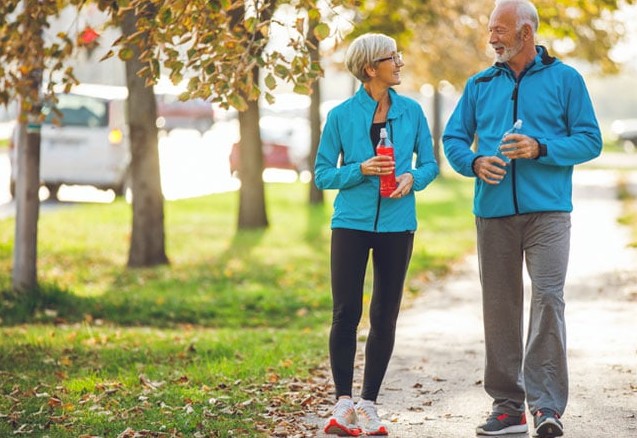
The effects of walking are cumulative. After a single walk, blood sugar may drop by a modest amount. After a week of consistent walks, the pattern starts to stabilise. After a month or two, many people notice that their overall energy levels feel more even throughout the day.
One of the key long-term benefits is improved insulin sensitivity. This does not happen overnight, but it builds steadily with each session. The body essentially learns to use insulin more effectively — and that has a real impact on how blood sugar behaves after meals.
Beyond blood sugar, regular walkers often report better sleep, a calmer mood and fewer mid-afternoon energy slumps. These benefits reinforce each other, making it easier to stay active over the long term.
Real Experiences From Real People
"My doctor kept saying I should walk more, but I never took it seriously. After reading this, I finally gave it a proper try. Two months in and I genuinely feel different — less tired, steadier throughout the day."
— Harish P., Delhi
"The myth and fact section really helped me. I used to think I needed long sessions to make a difference. Now I just walk after lunch and dinner. Simple, but it works."
— Meera D., Jaipur
"I started slowly — just 10 minutes after dinner. By the third week I was looking forward to it. My readings have been more consistent and I am sleeping better too."
— Suresh K., Lucknow
"What I liked most about this information is that it is honest. No big promises, just clear explanations of why movement helps. That made it easier to actually believe and try."
— Nalini V., Bhopal
"My husband and I started going for evening walks together. It has become our favourite part of the day — and his blood sugar checks have been noticeably better since we started."
— Ritu A., Kanpur
Want to Know More? Reach Out
Our Details
We are happy to answer questions about the content on this site or point you in the right direction for further reading.
Email:
hello (at) buzafas.shop
Phone:
+91 11 4352 8074
Address:
9, Connaught Place, New Delhi 110001, Delhi, India
Questions We Hear Most Often
Is walking after every meal really necessary?
Not strictly necessary, but highly useful. If you can only manage one walk per day, after the largest meal of the day is typically the most effective time. Even walking after just one meal is better than skipping entirely.
What pace should I aim for?
A pace at which you can hold a conversation comfortably is ideal for most people. You should feel slightly warm and breathing a little harder, but not breathless or strained. This moderate level of effort is enough to bring real benefits.
Can I walk if I have joint pain?
Many people with mild joint discomfort find that gentle walking actually helps over time by keeping joints mobile and strengthening the muscles around them. However, if you experience significant pain, talk to your doctor or physiotherapist first.
How do I stay motivated to keep walking?
The easiest way is to attach it to something you already do — walking after a meal uses an existing habit as an anchor. Walking with a family member or friend also helps. Tracking your steps on even a basic app can add a satisfying sense of progress.
Does this site provide medical advice?
No. Everything on this page is intended for general educational purposes only. It is not a replacement for professional medical advice. Always consult your healthcare provider before making changes to your health or activity routine.
Can older adults benefit from walking too?
Absolutely. Walking is suitable for most age groups and requires no special equipment or fitness level to start. Older adults may simply begin with shorter, slower walks and build from there at their own pace. Any movement is better than none.